
Magna City Directory Collections
The strongest located run is the University of Utah’s J. Willard Marriott Digital Library collection of R.L. Polk volumes. Metadata places Magna in the title, description, or Salt Lake Valley suburb coverage across multiple years. A city directory search should use the volume’s own description because coverage changes from one year to another.
| Collection | Years | Where Held | Access |
|---|---|---|---|
| R.L. Polk volumes | 1928–1980-era coverage | Marriott Digital Library | Metadata and digitized items |
| Alphabetical sections | Varies by volume | Polk directory volumes | Name and organization entries |
| Householders and street guides | Varies by volume | Polk directory volumes | Address-first research |
| Classified and buyers’ guides | Varies by volume | Polk directory volumes | Business and service context |
Observed examples include 1928, 1929–1935, 1936–1942, 1944, 1946, 1948, 1949, 1951, 1952, 1957–1960, 1960–1973, and 1974–1980 suburban volumes. The collection notes vary by volume, and the research pass did not read an individual Magna household image. Treat those years as collection coverage clues, not a promise that every year or every street is present.
Some volumes describe Salt Lake City together with Murray, Midvale, Sandy, Garfield, Magna, and other suburbs. The 1939 description specifically names Magna and includes a street-and-avenue guide, householders, office buildings, businesses, classified pages, and buyers’ guide material. A searcher should cite the item metadata and volume year rather than quote an entry that was not inspected.
Three Places to Search in Magna Volumes
Each relevant Polk city directory deserves three passes. The alphabetical section can locate a surname, firm, public office, church, club, school, hospital, or fraternal group. The householders or street-and-avenue guide starts with a place and works toward a dated name. The classified section adds businesses, services, advertisements, and buyers’ guide context. A single name search can miss the address trail if it stops after the alphabetical pages.
The 1928 description includes private citizens and firms, officers, churches, clubs, colleges, schools, hospitals, fraternal and beneficial societies, a map, householders, classified pages, and a buyers’ guide. The 1939 description adds a street-and-avenue guide and office-building material. These are metadata-backed section types, not a transcribed Magna entry.
Open the Marriott Digital Library city-directory search and record the volume title, publisher, date, spatial coverage, and description before reading its pages.
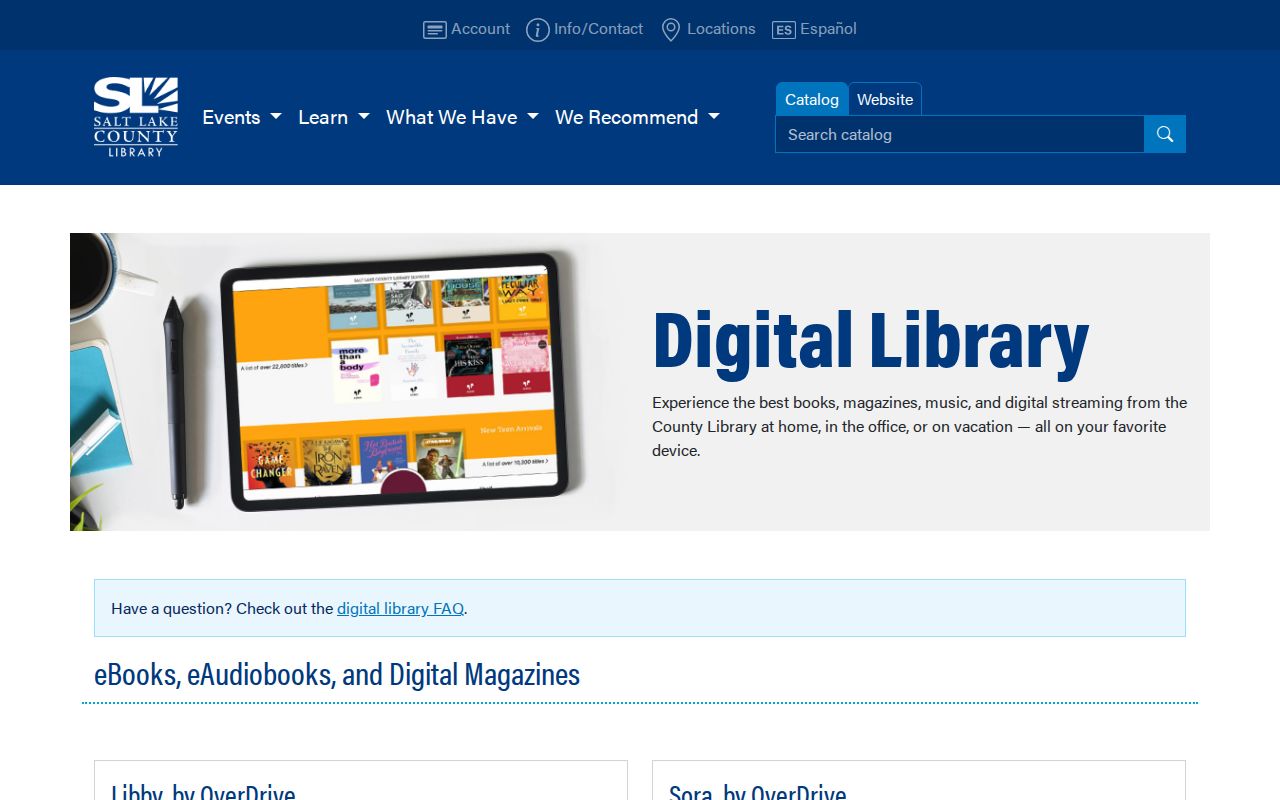
The digital-library view is a catalog route. A volume’s description is the authority for whether Magna or a Salt Lake Valley suburb appears in that year.
Reading a Magna Directory Entry
A Magna city directory entry must be read with its publication year and section in view. The research confirms the collection’s section structure, but not a specific household image. Do not fill in a spouse, employer, owner or renter status, or apartment detail unless the scanned page actually shows it.
| Name | Person, firm, office, or organization printed in that volume |
|---|---|
| Occupation or class | Work, business, service, or organization label when printed |
| Address | House number, street, or street-guide placement when supplied |
| Section | Alphabetical, householder/street, or classified placement |
| Publication context | Publisher, date, spatial coverage, and volume description |
- Criss-cross section
- A street-order portion of a historical directory, useful when the address is known first.
- Householder index
- An address-oriented list that may connect a street location to the named householder for that year.
- Abbreviation key
- The volume’s own guide to shortened words or marks. Check it before interpreting a line.
Where Magna Directory Research Happens
Salt Lake County Library lists the Magna branch at 2675 S 8950 W, Magna, UT 84044. The library system reports Monday through Thursday hours of 10:00 a.m. to 9:00 p.m., Friday and Saturday hours of 10:00 a.m. to 6:00 p.m., and Sunday closure, but branch hours should be checked before a visit. Staff can help with genealogy and the system provides Ancestry Library Edition.
The library’s Digital Library links Utah NewsSearch, searchable newspaper PDFs by keyword, newspaper, city, county, or ZIP, Utah Digital Newspapers with more than 1,000,000 historic pages and continuing growth, ProQuest Newspapers, and in-branch Salt Lake Tribune access. Its catalog supports anywhere, subject, title, author, series, and nonfiction-classification searches. No official Magna directory shelf list was located, so ask for exact years, microfilm, local-history files, and interlibrary-loan help.
The library says it can reach 7,500 libraries through interlibrary loan. That makes the reference desk a useful fallback when a Polk year is not digitized or a local file is held elsewhere. Ask for the exact volume, shelf or microfilm location, and whether a reader or scan service is available before making a trip.
Names That Changed with Magna
Historical city directories can use a place label that is not the current city label. Farmers established Pleasant Green in 1868. The Magna Mill, Boston Consolidated, and Arthur Mill shaped later industrial vocabulary. Neighborhood names include Greektown, Japantown, Snaketown, Little Italy, and Ragtown. Search those words beside a surname or street when a modern Magna query is empty.
Postmaster Renald Woolley petitioned for the name Magna in 1914, and the official adoption followed on October 19, 1915. A 1919 item in the digital library is attributed to R.L. Polk and the Utah State Historical Society, while the exact Magna page was not independently transcribed. Preserve the source’s own place wording when citing an entry.
Archives, Death Index, and Cemetery Clues
The Utah State Archives research portal offers free online items, name indexes, series inventories, digital-archive searches, and reference help by phone, email, or in person. Its historical death index accepts name, date, and county paths and provides a copy-request route. FamilySearch’s Utah State Archives collection covers Utah records from 1848–2001, including civil and criminal cases, divorce, probate, and naturalization for counties including Salt Lake.
Pleasant Green Cemetery’s page names founder Lehi Nephi Hardman and historically significant Coon, Bertoch, LeCheminant, Rushton, Hardman, Staker, and Taylor families. It does not provide a public interment search. The cemetery’s ownership moved from LDS Church to nonprofit to Magna Metro Township in the periods documented by the city. Use a specific burial-right or interment question, not an assumption about descendants.
For a historical map companion, the 1931 Magna Sanborn set contains five sheets of street, building, and business context.
Tracing Magna Families Across Years
A city directory is strongest when treated as one dated point in a longer family-history chain. Pair the named entry with its address, section, volume date, and a second source. Use a current property record only to understand the parcel, not to turn an old householder into a present resident.
- Search the alphabetical pages for the surname and note the exact volume, date, and spatial description.
- Check the householders or street guide for the address, then repeat the search in a nearby volume.
- Read the classified and organization pages for a dated business or civic connection that supports, but does not replace, the household entry.
- Pair directory years with available census, newspaper, probate, or archive records and keep each source’s date visible.
- Close a death-related trail with the Utah State Archives index or a specific Pleasant Green Cemetery inquiry.
A name disappearing from a city directory can mean a move, death, an omitted entry, a changed spelling, or a gap in coverage. It does not identify which explanation is true by itself. A street guide, obituary, cemetery record, or probate file can help separate those possibilities.